
Loft & Flat Roof Insulation
Transform your home's energy efficiency with professional insulation
Free Insulation Grant Scheme
Government-backed insulation grants to help you save on energy bills
Benefits of the Scheme
- Significant reduction in energy bills
- Improved home comfort and warmth
- Reduced carbon footprint
- Professional installation by certified experts
- Long-term energy savings
Eligibility Criteria
- Homeowners and private tenants
- Properties with poor energy efficiency
- Receiving certain benefits or tax credits
- Properties built before 1990
- No previous insulation grants received
Improve your home's energy efficiency with government-backed insulation grants
Free insulation grants for your home are available through a UK government scheme, aimed at improving energy efficiency and reducing carbon emissions. These grants are often provided to homeowners and tenants to help cover the cost of installing insulation measures such as loft insulation, cavity wall insulation, and solid wall insulation.
The availability of grants and the eligibility criteria can vary depending on factors such as location, household income, and the type of property. Typically, these grants are part of broader energy efficiency programs like the Energy Company Obligation (ECO).
By offering financial assistance for insulation upgrades, these grants aim to make homes more energy-efficient, reduce energy bills for occupants, and contribute to the UK's efforts to combat climate change. To find out whether you are eligible, simply complete our online form and one of our representatives will be in touch shortly.
Types of Insulation Available
Loft Insulation
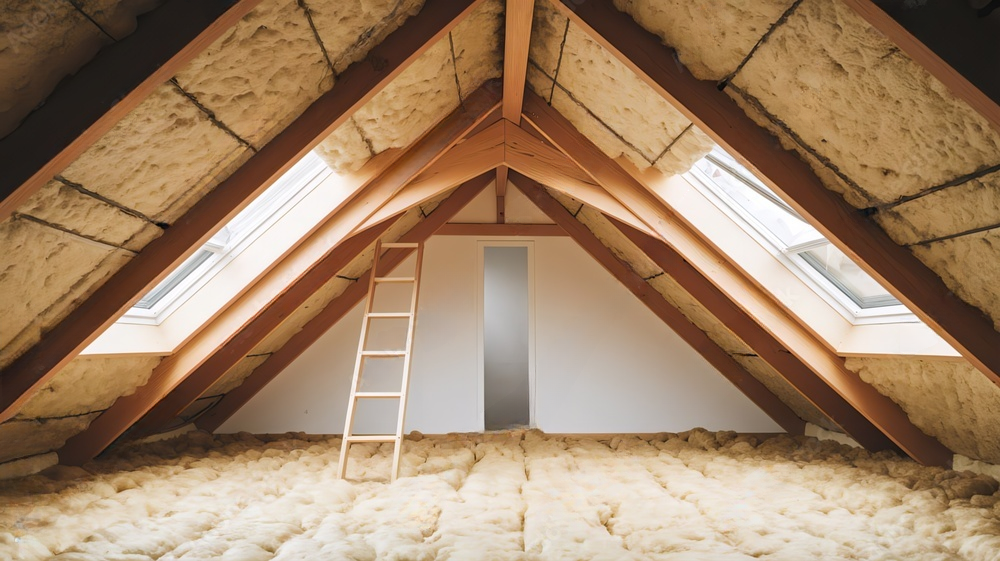
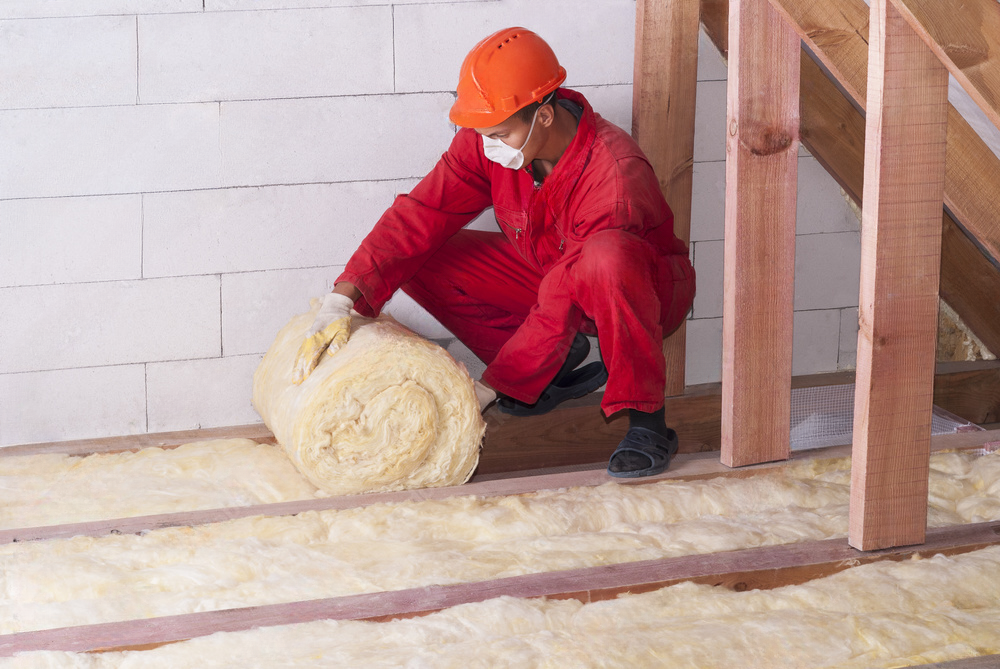
Loft insulation is typically installed in the space between the roof and the ceiling of the top floor of a building. It helps to prevent heat from escaping through the roof, keeping the space below warmer in the winter and cooler in the summer. Loft insulation is often made from materials like fiberglass, cellulose, or mineral wool and is available in rolls or batts.
Internal Wall Insulation
Internal wall insulation involves adding insulation to the interior surface of external walls within a building. This can help improve the thermal efficiency of a property by reducing heat loss through the walls. Internal wall insulation is commonly achieved using materials like rigid foam boards or insulated plasterboard, which are fixed to the existing wall surface.
Cavity Wall Insulation
Cavity wall insulation is installed in the gap (cavity) between the inner and outer walls of a building. It helps to reduce heat loss through the walls by filling this gap with insulating material. Typically, cavity wall insulation is made from materials such as mineral wool, foam boards, or polystyrene beads. It can significantly improve the energy efficiency of a building and reduce heating costs.
Room in Roof Insulation
Room in roof insulation, also known as attic or roof space insulation, involves insulating the space directly under the roof of a building that is used as a living area or storage space. This type of insulation helps to keep the space below more comfortable by reducing heat loss through the roof. It can be installed using various insulation materials, such as fiberglass, cellulose, or foam boards, depending on the specific requirements of the roof structure and building design.
Contact Us
+44 330 043 4258
Mon-Fri 9am-6pm
contact@treetopeco.co.uk
We'll respond within 24 hours
7-8, Richmond Terrace, Blackburn, BB1 7BD, United Kingdom